How I Went From 40 WPM to 80 WPM in 30 Days (And Why You’re Probably Stuck at 40)
If you’ve been typing for a while and you’re still stuck around 35–45 WPM, you’re not alone. I have seen may individuals use just two figures and feel very comfortable, and never want to change that. Anyways this is totally perfect! I was there too by the way.
Not because I was new. Not because I didn’t practice. But because I was doing the same wrong things again and again, expecting speed to magically improve. The speed gets better, but no the word count L So it didn’t.
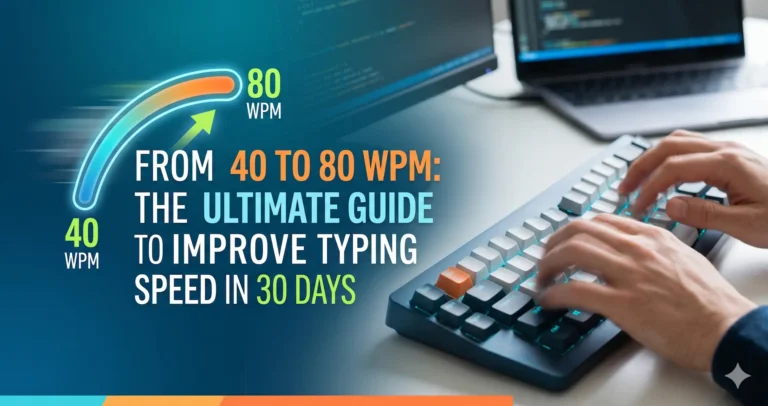
Then one month, I changed a few basic things—nothing fancy—and my typing speed jumped from 40 WPM to 80 WPM.
No hacks. No “type 10 hours a day” nonsense.
Just fixing fundamentals that is getting back to the basics.
This is exactly what worked, what didn’t, and what you should actually do if you’re stuck.
First, Let’s Be Honest About Why You’re Not Improving
Here’s the uncomfortable truth: You’re probably practicing… but not improving. That was me too. I used to think:
- “If I type more, I’ll get faster”
- “Speed comes with time”, not by running your fingers fast!
- “I just need more practice tests”
None of that worked. Because typing faster isn’t about typing more—it’s about typing correctly. If you practice with bad habits, you just become really good at being slow. That’s what most people don’t realize.
Where I Was Before: Stuck at 40 WPM
I hovered between 38–42 WPM for months. Sometimes I’d hit 45 and feel proud… and then drop back to 39 the next day.
Here were my problems (you might relate):
- I looked at the keyboard sometimes
- I didn’t use all fingers properly
- My accuracy was inconsistent
- I focused too much on speed, not control
- My posture was terrible
Basically, I wasn’t typing—I was managing chaos. I was pressing Backspace more than any key!
What Changed in That One Month
I didn’t suddenly become disciplined or start grinding 5 hours a day.
I just fixed 4 things:
- Technique
- Accuracy-first mindset
- Keyboard comfort
- Consistency (not intensity), started slowly focusing more on the accuracy, your speed counts only when you are accurate.
That’s it. Let me break these down properly.
1. Fix Your Technique First (This Is Non-Negotiable)
If you’re not using proper finger placement, stop everything.
Seriously. You cannot reach 70–80 WPM consistently with random finger movement. I used to “kind of” follow touch typing… but not really. Once I forced myself to:
- Use correct fingers for each key
- Keep hands on home row
- Stop looking at the keyboard
My speed actually dropped for a few days. From 40 → 30 WPM. And that’s where most people quit. But that drop is a good sign.
- It means you’re rebuilding correctly.
- After a week, things started clicking.
- Muscle memory began to form.
- Typing stopped feeling like guessing and started feeling automatic.
2. Accuracy > Speed (This One Change Doubled My Speed)
This sounds boring, but it’s the biggest shift.
Before:
I was chasing speed.
After:
I was chasing clean typing.
I forced myself to:
- Slow down
- Type at 90–100% accuracy
- Fix mistakes immediately instead of ignoring them
Here’s what happens when you do that:
- Your brain learns correct patterns
- Your fingers stop hesitating
- Speed increases naturally
When you focus on speed too early, you train yourself to make mistakes faster.
When you focus on accuracy, speed becomes a side effect.
This alone pushed me from 40 → 60 WPM.
3. Your Keyboard Actually Matters (More Than You Think)
I ignored this for a long time.
I thought:
“A keyboard is just a keyboard.”
Not true.
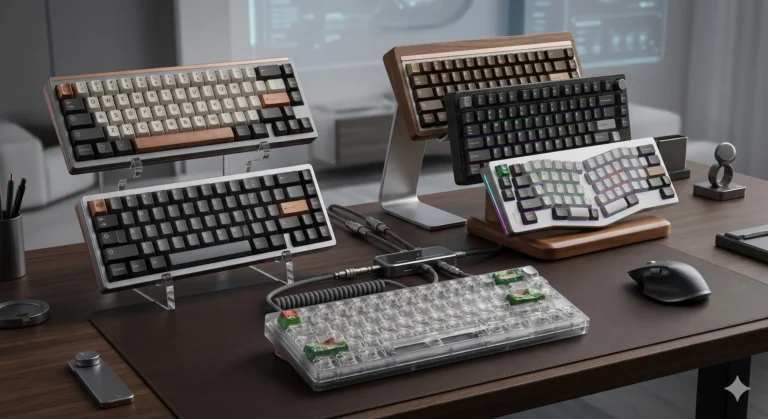
I was using a cheap, stiff keyboard with uneven keys.
Typing felt like work, effecting productivity. Most people do not realise that a good keyboard can increase their daily productivity.
Then I switched to a smoother keyboard (nothing expensive, just better quality).
Difference?
- Less finger strain
- Better key response
- More consistent typing rhythm
It didn’t magically make me fast—but it removed friction.
And typing is all about rhythm.
If your keyboard fights you, your speed suffers.
4. Consistency Beats Motivation
I didn’t do long sessions.
Most days:
20–30 minutes.
That’s it.
But I showed up every day.
No skipping. No “I’ll do extra tomorrow.”
And I didn’t do random practice.
I kept it simple:
- Warm-up (easy typing)
- Accuracy-focused test
- Slightly faster test
- Done
The goal wasn’t to exhaust myself.
It was to build consistency in movement.
What Actually Happened Over 30 Days
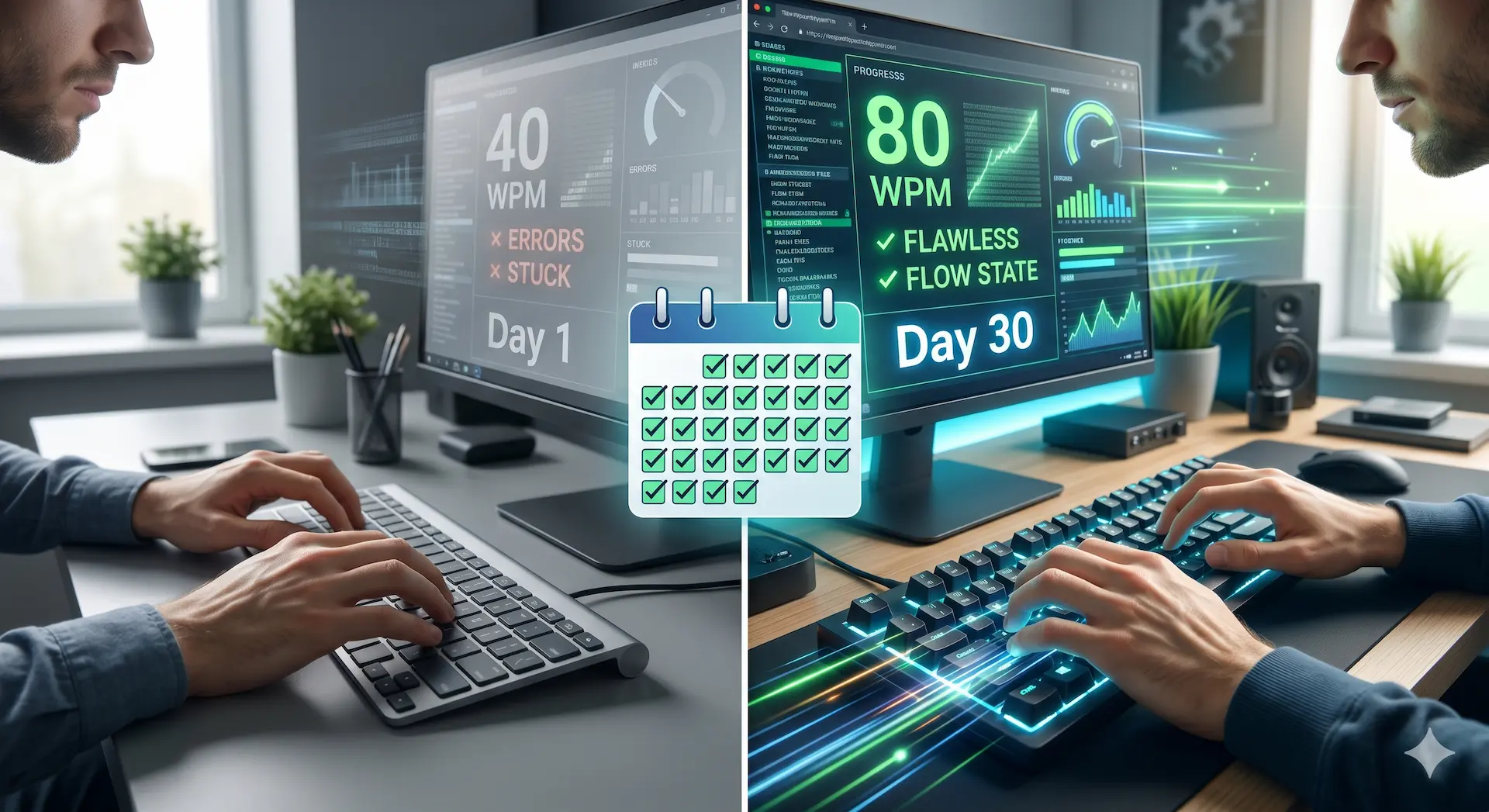
This is roughly how my progress looked:
Week 1:
- Speed dropped to 30–35 WPM
- Felt uncomfortable
- Wanted to go back to old habits
Week 2:
- Stable around 45–50 WPM
- Accuracy improved a lot
- Less hesitation
Week 3:
- Crossed 60 WPM
- Typing started feeling smooth
- Less conscious effort
Week 4:
- Hit 70–80 WPM consistently
- Occasional peaks above 80
- Typing felt automatic
No magic.
Just fixing basics and not quitting during the awkward phase.
The Mistakes That Were Holding Me Back
If you’ve been stuck, chances are you’re doing at least one of these:
1. You Keep Looking at the Keyboard
- Even occasionally.
- That kills muscle memory.
- You’re training your eyes, not your fingers.
2. You Practice While Making Mistakes
- Typing fast with errors doesn’t help.
- It makes your brain comfortable with incorrect patterns.
3. You Switch Techniques Too Often
- One day touch typing, one day freestyle.
- Pick one. Stick with it.
4. You Don’t Track Progress Properly
- If you don’t know your accuracy and consistency, you’re just guessing.
5. You Expect Fast Results Without Discomfort
- Improvement feels awkward at first.
- If it feels easy, you’re probably not improving.
What You Should Do (If You’re Stuck Right Now)
- Let’s make this practical.
If you’re at 30–50 WPM, here’s your path forward:
Step 1: Reset Your Technique
- Even if it feels like starting over.
- Yes, your speed will drop.
- Accept it.
Step 2: Train at 90–100% Accuracy
- Not 70%. Not 80%.
- Clean typing only.
Step 3: Slow Down on Purpose
- This feels wrong—but it works.
- Speed grows from control.
Step 4: Practice Daily (Short Sessions)
- 20–30 minutes is enough.
- Consistency matters more than duration.
Step 5: Use a Comfortable Keyboard
- Not necessarily expensive—just responsive and reliable.
The Part No One Talks About
Typing faster isn’t just physical—it’s mental.
You need to:
- Trust your fingers
- Stop overthinking each key
- Stay relaxed
Tension slows you down.
If your hands feel tight, your speed will drop.
When I stopped trying to “force speed,” I actually became faster.
What 80 WPM Actually Feels Like
People think 80 WPM is super fast.
- It’s not.
- It’s just smooth.
- You’re not rushing.
- You’re not panicking.
- You’re just typing… without interruptions.
- That’s the goal.
- Not speed.
- Flow.
If You’ve Tried Before and Failed
Then this matters more for you.
Because your problem isn’t effort—it’s direction.
You don’t need:
- More motivation
- More random practice
- More typing tests
You need:
- Better technique
- Better habits
- Patience during the slow phase
That’s it.
Final Thoughts
Going from 40 to 80 WPM didn’t require talent.
It required:
- Fixing basics
- Being okay with temporary setbacks
- Practicing with intention
Most people stay stuck because they avoid the uncomfortable phase where improvement actually happens.
If you can push through that part, you’ll improve faster than you expect.
Not overnight. But faster than you’ve been improving so far.