Coffee, Calls, and Candidates: A Day in the Life of a Technical Recruiter
The sun hasn’t quite hit the desk yet, but the coffee is already steaming, and the browser tabs are locked on the inbox. For an international technical recruiter, the day doesn’t start with a local clock—it starts with the pulse of the requirements, whether that’s the early-morning hustle of EST.
Recruitment is a career built on a delicate balance of hope and data: the hope that a star developer finally replied to yesterday’s “please processes or please submit” email, and the data that says you need two solid resumes on the portal by EOD. It is a world where a 10-mile commute preference can make or break a deal, and where “the golden hour” of calls determines the thickness of your paycheck. From the high-stakes adrenaline of the first morning dial to the meticulous art of resume formatting, being a recruiter is a high-speed marathon that demands a thick skin and even better communication skills.
The Inbox Win: Starting the Clock
For an international recruiter, the day doesn’t start when you sit down; it starts when the market you are serving wakes up. If you are sitting in an offshore office or a different time zone, your body clock is secondary to the EST (Eastern Standard Time) or PST (Pacific Standard Time) requirements on your dashboard.
The very first action after login is the “Inbox Sweep.” Every recruiter knows that nervous flutter of anticipation while the mail client loads. You are looking for that one specific “Yes” or a “Let’s talk” from a high-quality candidate you messaged the night before. This isn’t just about professional curiosity; it’s about momentum. Seeing a handful of interested responses—people who actually took the time to read your pitch about a Java Developer role or a Cloud Architect position—sets the tone for the entire day.
When the inbox is empty, the day feels uphill from minute one. You begin to question: Was the pay too low? Was the commute too far? Did I send the email too late? But when those responses are there, the day becomes “smooth.” You have a warm lead to start with, which means you are already halfway to your daily goal.
The Daily Target: Why “Two” is the Hardest Number
To an outsider, the target of two resume submissions per day sounds like a walk in the park. In reality, it is a mountain. To get those two resumes onto a customer portal or into your Team Lead’s hands, you often have to filter through 200 profiles and speak to at least 40 people.
The challenges are structural and deeply human:
- The 10-Mile Radius Rule: In the US market specifically, geography is king. Most candidates are looking for a job within a 10-mile radius of their home. If the role is in a tech hub like Austin or San Francisco, but the candidate lives in the suburbs, the conversation often ends before it begins.
- The Nature of the Contract: Full-time roles are easier to “sell,” but the bulk of the fast-paced technical recruitment world lives in the Contract-to-Hire or Short-term Contract space. Convincing a stable professional to move for a 6-month contract requires elite negotiation skills.
- Pay Parity: Candidates know their worth. If the client’s budget doesn’t match the market rate, a recruiter can spend all day on the phone only to be told “No” forty times in a row.
The Strategy Session and the Sourcing Sprint
Once the initial inbox check is done, the team gathers for a quick huddle. The Team Lead (TL) allocates new “Requirements” (open job positions). This is where the strategy happens. You aren’t just looking for a “Python Developer”; you are looking for a Python Developer who knows AWS, lives in New Jersey, and is willing to work for $65/hour.
After a quick tea break to sharpen the mind, the “Sourcing Sprint” begins. Recruiters dive into the heavy hitters of the industry: Monster, CareerBuilder, and Dice. The first two hours of the shift are the “Crucial Window.” This is when candidates are either just starting their day or are on their mid-morning breaks. This is when they are most likely to pick up the phone. A recruiter’s voice is their primary tool. Every recruiter has a signature style, but the “Standard Intro” is a practiced art:
“Hi [Name], this is [Your Name]. I’m calling regarding a Technical Lead opportunity in your area. Is this a good time to discuss your career growth?”
The Numbers Game: 30 to 60 Dials
Recruitment is, at its core, a volume game. A typical day involves at least 30 calls, but on a “high-activity” day, a recruiter might push past 60 dials. You are looking for that one person who isn’t just qualified, but is also “movable.”
However, the biggest hurdle in this volume is Duplication. The recruitment agency world is hyper-competitive. It is a common—and frustrating—experience to hear a candidate say, “Sorry, Agency XYZ already submitted me for that role ten minutes ago.” This is where the relationship with the Team Lead becomes vital. A good TL doesn’t just manage; they mentor. On a tough day where every candidate seems “already submitted,” a strong TL might pass a finalized resume back to the recruiter to help them hit their daily target, ensuring the team stays motivated and the pipeline stays full.
The Midday Reset: Lunch and the 30-Minute Walk
By mid-afternoon, the “mental fatigue” of constant rejection and technical screening starts to set in. This is why the lunch hour is sacred in a recruitment firm. Unlike other corporate jobs where people eat at their desks, recruitment teams usually eat together. It is a time for “shop talk”—complaining about a candidate who ghosted an interview or laughing about a funny resume typo—but it’s also about building the bond that makes the long hours tolerable.
Following lunch, the 30-minute walk is a staple. Getting away from the blue light of the monitors and the ringing of the phones is essential for a recruiter’s mental health. It’s a literal and figurative “reset” before the second half of the day begins.
The Art of the Resume: Formatting for the Win
Finding the candidate is only 50% of the battle. The next 25% is formatting. Every client and every hiring manager has a specific way they want to see information. A recruiter must be a “Word Processor Wizard.”
You have to take a raw, 5-page resume and trim the fat. You highlight the key technical skills—the specific versions of Java, the exact Cloud environments, the specific leadership metrics—that the hiring manager is looking for.
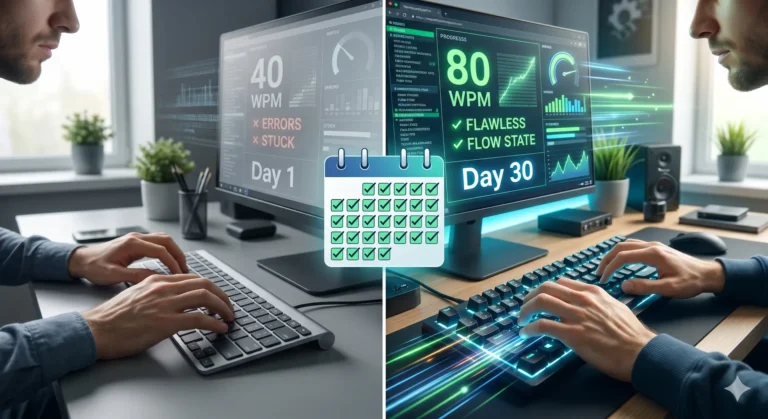
- Typing Skills: You must be able to take quick, accurate notes during a call while the candidate is talking about their experience.
- Speed: Formatting shouldn’t take an hour; it should take fifteen minutes. If you are too slow, another agency will submit their candidate first.
The “Golden Hour” and the Evening Push
As the evening approaches and the “second tea break” concludes, the most critical part of the day begins. In the recruitment world, the hours between 5:00 PM and 7:00 PM (in the candidate’s time zone) are pure gold.
This is when working professionals are heading home or have finished their dinner. They are more relaxed, more willing to talk about a new job, and more likely to actually read a Job Description (JD) sent to their personal email. A recruiter’s evening is spent doing “Candidate Care”—following up on interviews, scheduling the next round, and ensuring the job seeker feels supported all the way until an offer is rolled out.
The Weekly Climb: 10 Submissions
The day ends not just when the clock hits a certain hour, but when the work is organized for tomorrow. If you didn’t hit your “2 resumes” today, they don’t disappear; they are carried forward. The goal is the Weekly 10.
This target-driven environment is what makes the job so exciting. It’s a career where “effort equals income.” For those with high energy and great communication skills, the incentives are the real draw. In a good month, a recruiter’s performance-based incentives can actually exceed their base salary, making it one of the most financially rewarding entry-level careers in the tech world.
The Log-Off: Camaraderie and Commiseration
When the “Log Off” finally happens, the transition is instant. The intensity of the “hunt” evaporates. The team walks out together, often lingering around the office premises or a nearby tea stall. There are jokes, there is laughter, and there is the shared understanding that tomorrow, the clock resets, the inbox will be full again, and the chase for the perfect candidate will resume.
It is a job filled with challenges, but for those who love people and technology, it is—quite simply—a lot of fun.
Beyond the Daily Grind
While the day-to-day is defined by the search for the perfect candidate and the battle against “duplicate” submissions, the true value of technical recruitment lies in the compounding success of a weekly target. Hitting those 10 weekly submissions isn’t just about satisfying a team lead; it’s about building a pipeline that transforms “maybes” into life-changing job offers. The technical nuances—mastering the art of a quick intro or formatting a resume to catch a hiring manager’s eye—are the tiny pivots that lead to massive incentives. In this industry, your typing speed and communication flair are the primary tools that turn a challenging morning into a celebratory evening.
The Final Log-Off
As the headsets come off and the screens go dark, the pressure of the portals fades into the background, replaced by the camaraderie of the team. Recruitment is unique in its ability to blend high-intensity professional targets with a genuine sense of community—the post-shift walks, the office jokes, and the shared tea breaks are what keep the engine running. It remains one of the most accessible entry points into the professional world, where the learning curve is steep, but the rewards are steeper. When the incentives begin to overtake the base salary, it becomes clear: it isn’t just a job about filling seats; it’s an exciting, fast-paced career where every “log-off” feels like a win well-earned.